Sports Injury Chiropractor in Beverly, MA

Healthcare services imagePain can change how you swing a golf club, run, lift, or train. At North Beverly Chiropractic, we help active adults and athletes understand movement-related pain and work toward a safe return to the activities they enjoy.


Dr. Kevin Greene brings more than 30 years of chiropractic experience and a background in sports rehabilitation to your care. His Titleist Performance Institute (TPI) Level 1 certification adds a golf-specific perspective for patients whose physical limitations may affect their swing.


Care for Athletes and Active Adults


You do not have to compete professionally to benefit from an evaluation. We work with golfers, runners, weightlifters, student-athletes, and people who want exercise to feel more comfortable. Common reasons to seek care include back or neck pain during training, shoulder discomfort, elbow pain, and hip, knee, or foot pain. We also assess muscle strains, stiffness, and repetitive use complaints. Some injuries need a different provider or additional testing; the examination helps determine the appropriate next step.

    Understanding What Hurts and How You Move


    We ask about your sport, training schedule, recent changes in activity, previous injuries, and goals. Your evaluation may include joint mobility, strength, balance, and movement testing, along with orthopedic or neurological testing when indicated. This helps us identify the activities that aggravate your symptoms and choose a practical starting point for care. We explain our findings and discuss how your treatment and exercise plan fits your current abilities.

      Chiropractic Care and Rehabilitation


      Your plan may include chiropractic adjustments when appropriate, mobility exercises and progressive strengthening. We also discuss changes to training load and ways to modify activities while you recover. The aim is to make progress you can use outside the office: more comfortable daily movement and a gradual return to your sport. Exercise recommendations evolve with your symptoms and function. Return to competition decisions depend on the injury and may involve your physician, athletic trainer or other treating clinician.

        Golf Injuries and Movement Assessment


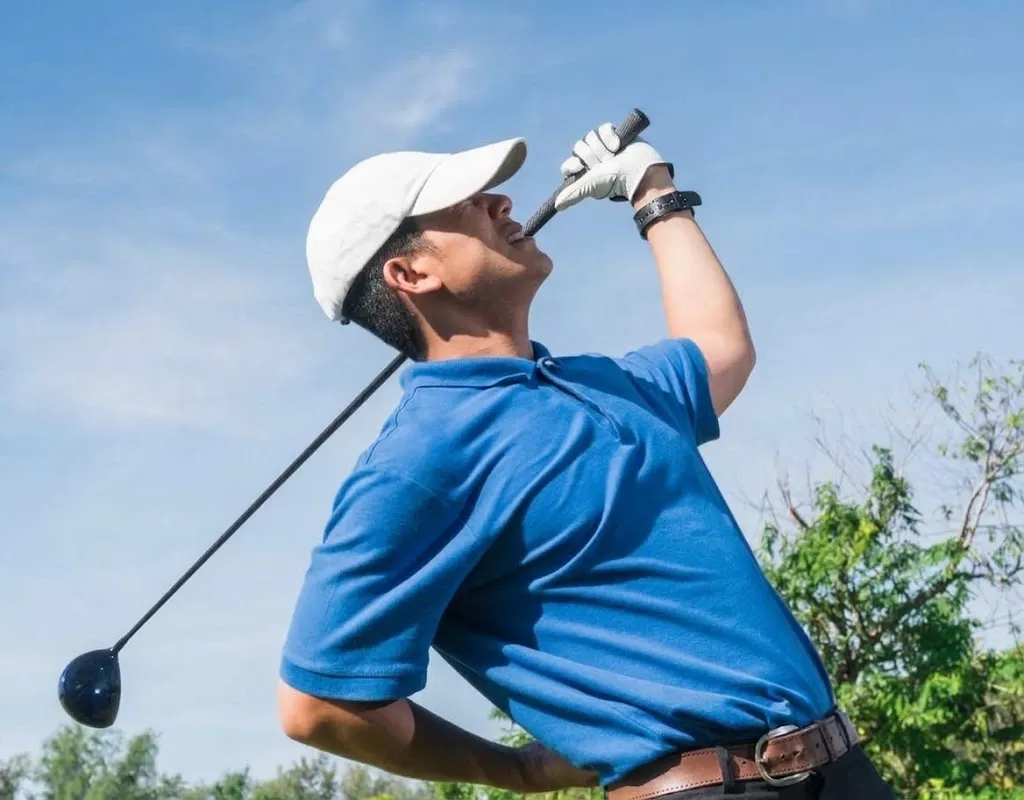
        Back stiffness, limited hip movement or shoulder discomfort can make golf less enjoyable. A golf focused assessment looks at physical limitations that may be relevant to your swing, including hip mobility, upper back rotation, balance and shoulder movement. Dr. Greene uses his TPI training to connect these findings with an individualized exercise plan. The goal is to help you move more comfortably and address relevant physical restrictions. Swing instruction can be coordinated with your golf professional when appropriate.

          Where SoftWave Fits


          SoftWave therapy is available in our office and may be considered for selected tendon or soft tissue complaints after an evaluation. We explain whether it is appropriate for your particular problem, how it fits with rehabilitation and what it costs before you decide to proceed. Treatment recommendations and results vary by condition and patient.

            Frequently Asked Questions

            Should I stop exercising while I receive care?

            That depends on the injury. Some activities can be modified while others may need to pause. We help you choose an activity level that fits your symptoms and the examination findings.

            Can you help with a recurring golf or lifting complaint?

            We can evaluate the complaint and look at relevant movement limitations and training demands. If conservative care is suitable, we develop a plan around your goals and monitor your response.

            Do I need an X-ray?

            Not automatically. Imaging is considered when the history and examination suggest it will help guide care. Some sports injuries require other imaging or a medical referral.

            What should I bring to my appointment?

            Bring any relevant imaging or medical reports. Wear clothing that allows comfortable movement, and be ready to describe your training and the activities that trigger symptoms.

            Get Back to the Activities You Enjoy

            Whether your goal is a comfortable round of golf or a return to regular workouts, your first step is understanding the problem.